Category: Georgetown Faces, Spirit of Georgetown
Title: The Director of the Disability Cultural Center’s Formula for a Culture of Hope
Date Published: October 1, 2026
This story is part of Georgetown Faces, a storytelling series that celebrates the beloved figures, unsung heroes and dedicated Hoyas who make our campus special.
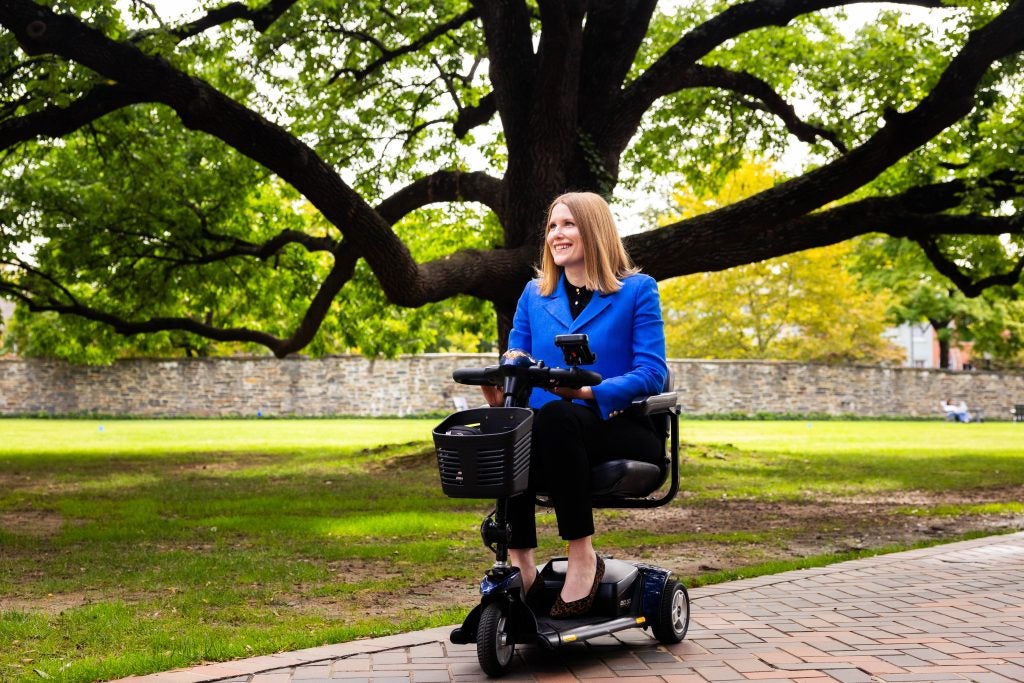
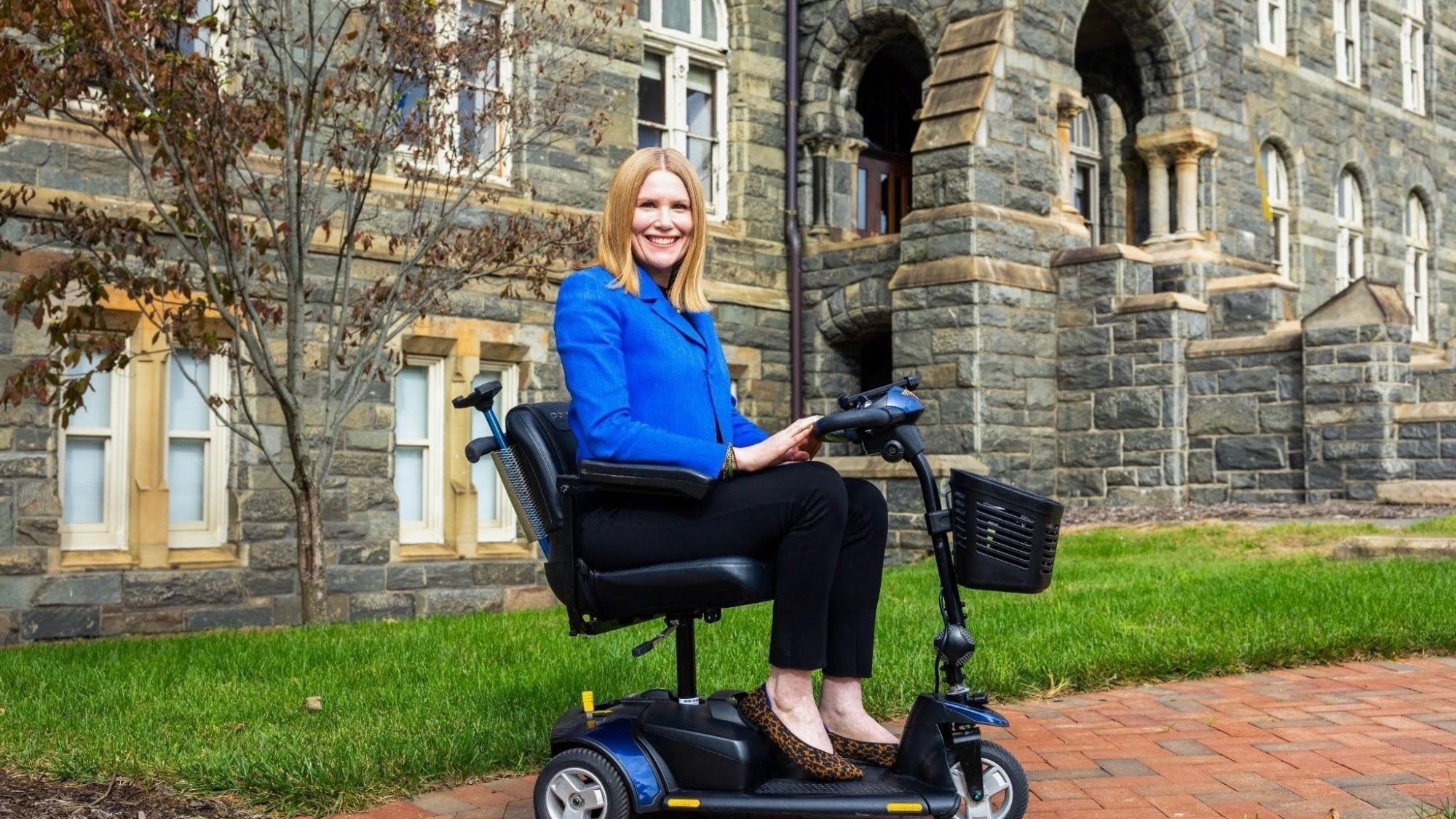
Four years after arriving on the Hilltop, Amy Kenny’s impact is visible.
Georgetown now has a Disability Cultural Center (DCC), one of the few centers dedicated to celebrating disability culture and creating community at a U.S. university, with sensory rooms for community members on both the Hilltop and Capitol Campuses, among other new accessibility features across the university.
But Kenny, founding director of the DCC, also seeks out subtle ways to create a culture of access at Georgetown.
“Creating a culture of access takes all of us,” she said. “Each of our events builds community and celebrates disability culture, while also inviting all of us to experience a different way things could be. Once folks experience that portal to possibility, we’re more likely to collaborate to build a culture where we can all co-flourish.”
Kenny hails from Brisbane, Australia, and studied English at the University of California, Riverside, where she later taught disability studies, Shakespeare and early modern theater. She earned her master’s from Royal Holloway, University of London, and her Ph.D. in early modern literature and culture from the University of Sussex.
She joined Georgetown in 2022 and has since served as the founding director of the DCC. She’s also curated an art exhibit at the DC Public Library, launched an internship on disability history at the Smithsonian, cohosted Olympique de Marseille and the U.S. Amputee Soccer Team at Shaw Field, designed an accessible podium with graduate students, and created an annual disability arts showcase, among many other DCC events.
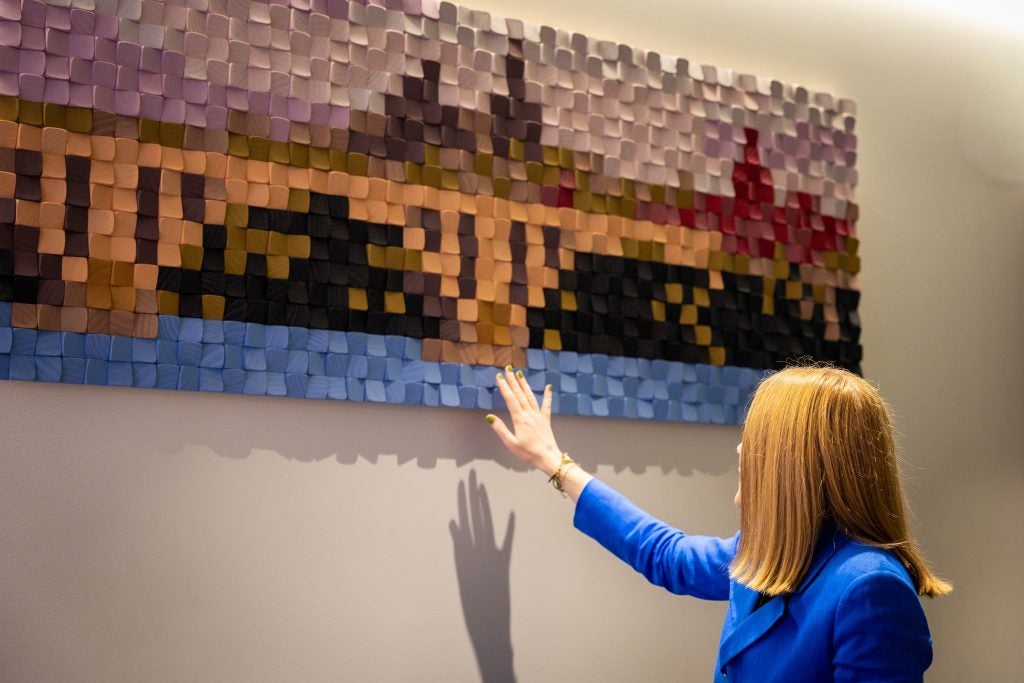
“Each of these emerged from the work of many students and colleagues calling us to live out our Jesuit values in creating a culture of access together,” she said.
Outside of work, Kenny recently published her second book, “My Disability Is Divine: A Joyful Witness That Defies Ableist Nonsense,” about her experiences with disability culture and faith. Georgetown’s Lannan Center for Poetics and Social Practice is hosting a book launch to celebrate on Oct. 27.
Learn more about the Australian native, her creativity hacks and the concrete ways she creates an inviting culture at Georgetown.
When I was little, I wanted to be: a coroner. I was interested in pursuing justice for someone who wasn’t able to pursue it for themselves. I was fascinated by translating data into a collective understanding of an experience. And while the specifics of my work include far less blood and guts, aspects of the mission really remain the same.
What drew me to this role at Georgetown: Getting to create a DCC with students, staff and faculty. Across different roles, all of my work has been invested in culture. Whether it’s researching cultural understandings in the early modern era, exploring the theatricality of cultural ideas of embodiment, cultivating a classroom culture where we’re all knowledge creators and learners, or collaborating with students and colleagues to expand our understanding of how a culture rooted in cura personalis is a culture of access.
What brings me joy in my role: getting to be a small part of turning a dream into reality. Four years ago, we didn’t have a sensory room or the Smithsonian internship or even the DCC. Instead of resorting to what has always been, I’m energized by the possibility of co-creating a way of proceeding that allows everyone to thrive. Imagine what else we can create together!
I set aside creative thinking time every week. I do a practice called “noun-verb collisions,” where I randomly partner one noun and one verb that really have no business being in conversation with one another. I write a sentence – it can be something silly or something serious – to practice creatively connecting two seemingly disparate things. Or I set a 90-second timer to write down big ideas in a judgement-free stream of consciousness. I spend a few minutes outside each day with nature. These practices allow me to unlock creativity in a low-stakes environment to emphasize process and not perfection.
Favorite place to go off-campus: Yellow. Honey halawa latte. No notes. Even better with the za’atar croissant.
When I’m not at work, you might find me swimming: I’m more at home in the water than I am on land. I love how the water holds me. It feels like we get to defy gravity just for a moment. When I think of swimming, I think of the Gold Coast, a series of beaches in Australia near where I’m from with white sand, turquoise waters and fish and chips in newspaper. It’s delightful.
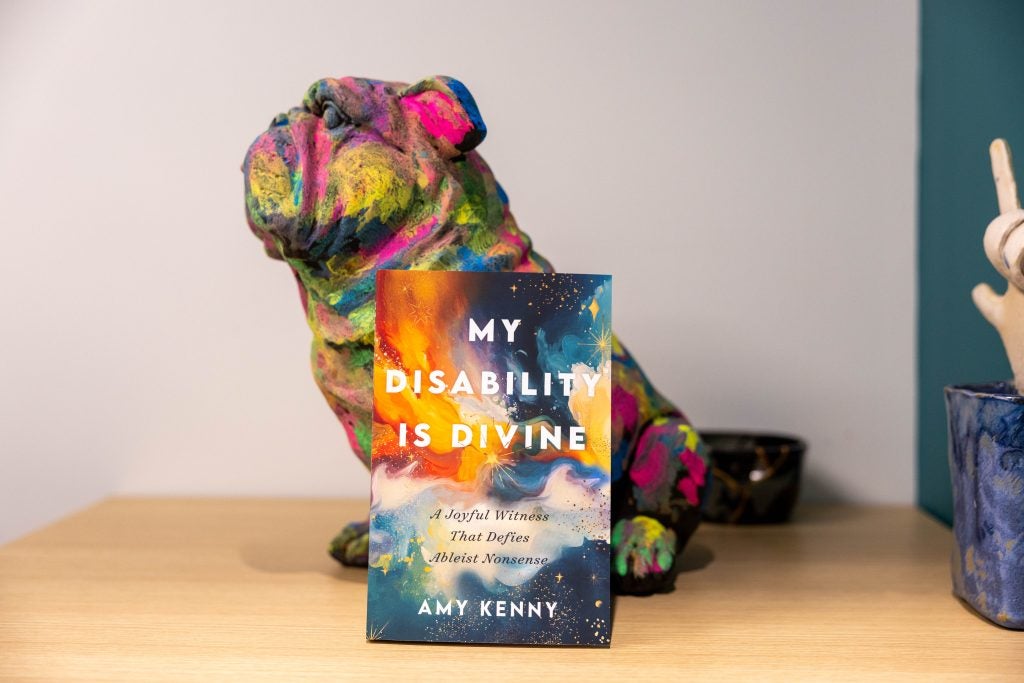
I wrote my new book, “My Disability is Divine,” because: so often conversations about faith, spirituality, and the divine happen separately from conversations about disability, culture and belonging. I wanted to bring both of these aspects of our lives together. So many of us – one in four here in the United States – identify as disabled and experience disability. If we’re not talking about disability and faith, then we’re not sharing the whole story.
In reading my book, I hope people: resonate with the vibrancy, joy, loneliness and lament of some of my experiences that connect us to one another. My hope against hope is to invite people to create a more inclusive community and culture.
What I wish people knew about me and my role: Our work isn’t merely about educating, but accompanying students and colleagues to a hope-filled future. I sign my emails “cheering you on” to exemplify this commitment to solidarity. Regardless of what role we play in the formation that happens on the Hilltop, Capitol Campus or GU-Q, we’re all on the same team. Hope is a team sport. The more that we really practice cheering one another on, the more that we’ll create a culture where everyone gets to thrive.