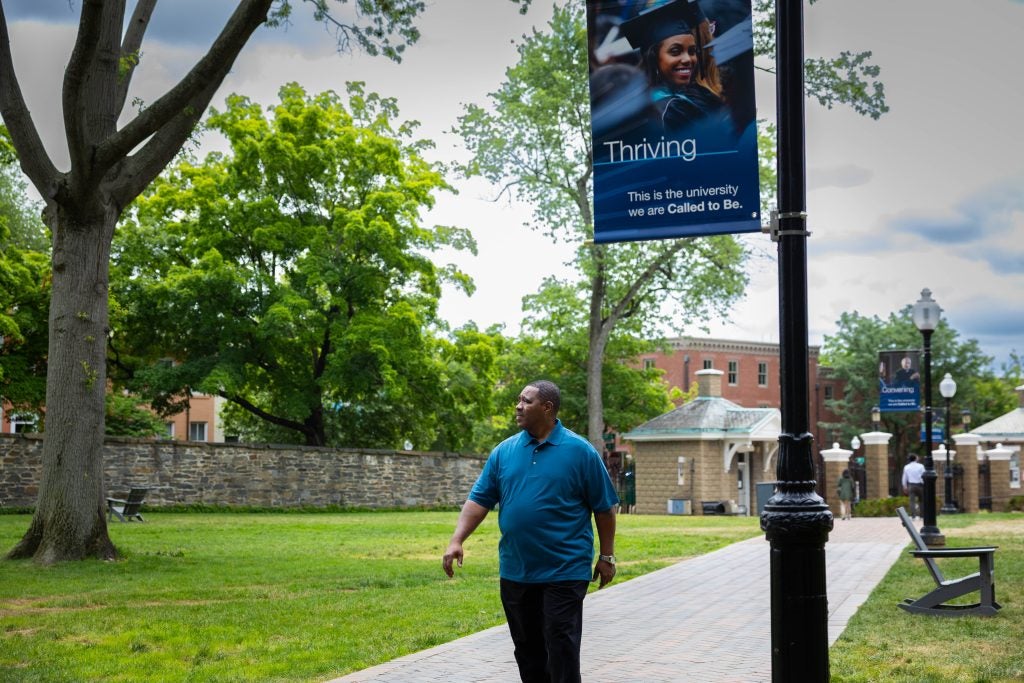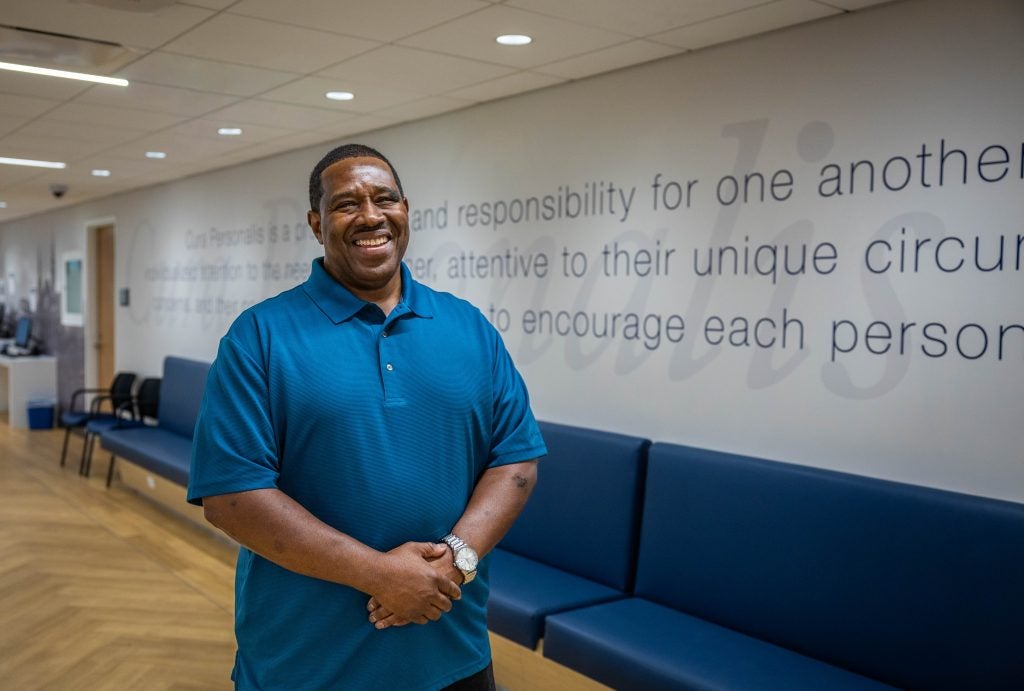
This story is part of Georgetown Faces, a storytelling series that celebrates the beloved figures, unsung heroes and dedicated Hoyas who make our campus special.
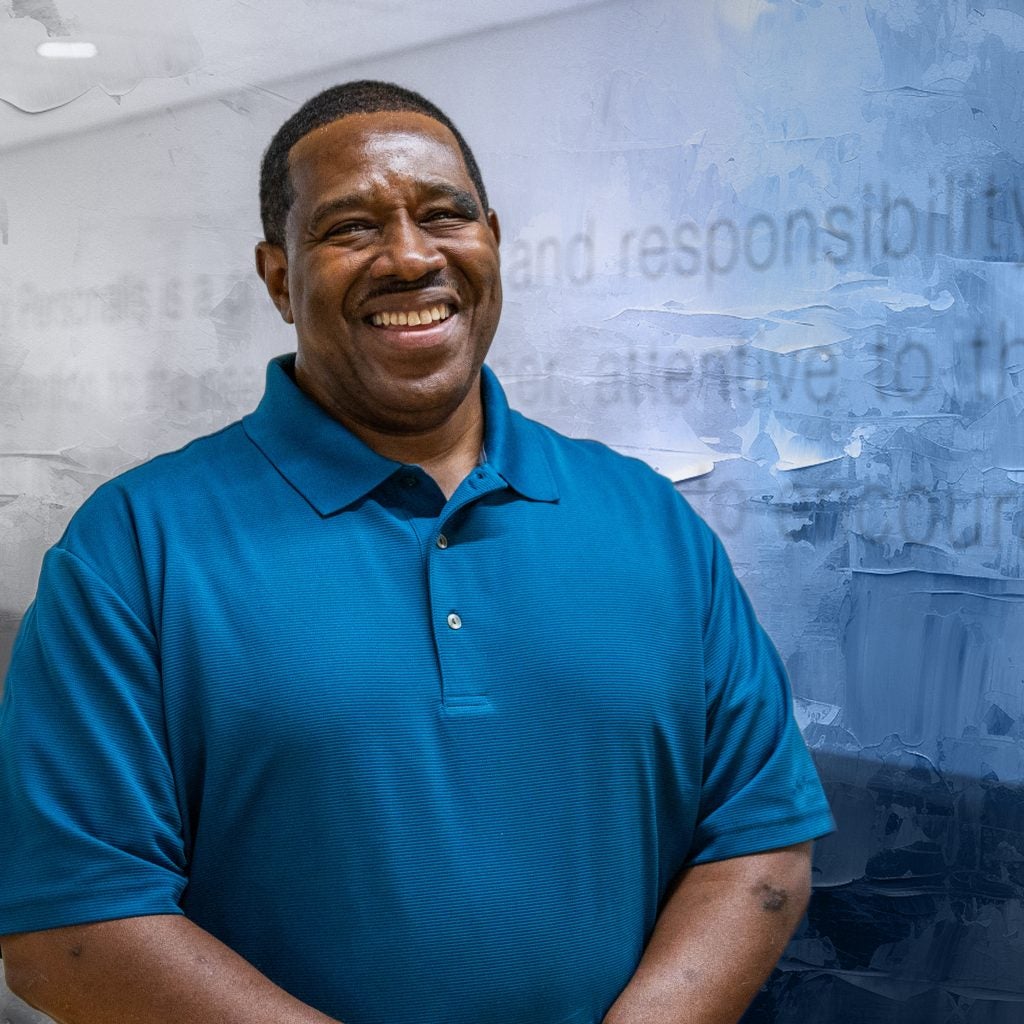
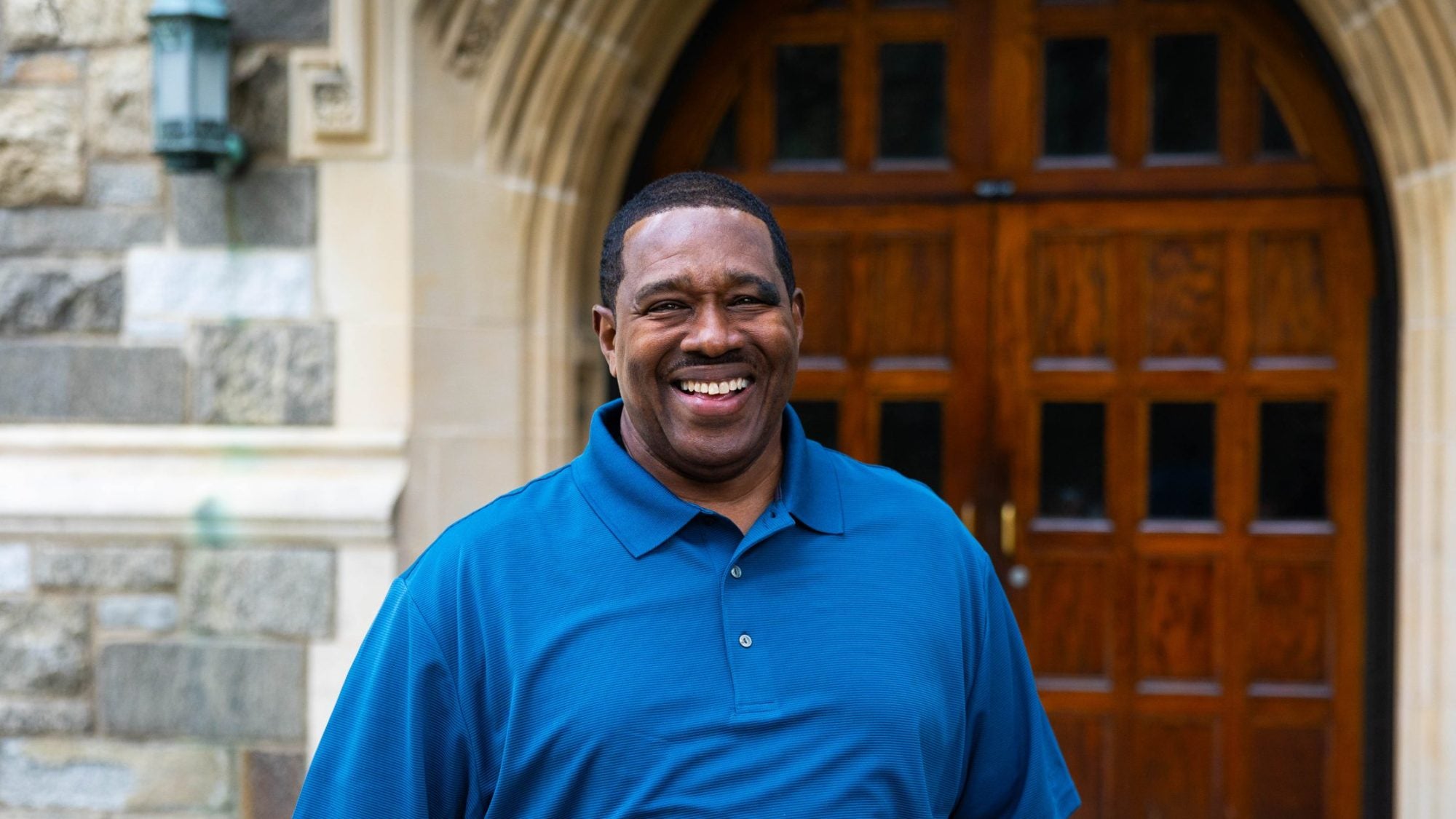
Maynard Littlejohn came to Georgetown in 1979 looking for an office job. He found one at the Ryan Administration Building, now the Davis Performing Arts Center, collecting tuition payments from law students.
“Here I was, a 19-year-old fresh into a university setting. I had no information about universities, how they function or what type of student I’m dealing with,” Littlejohn said.
Forty-seven years later, Littlejohn has not only stayed at Georgetown, but still works for the same office.
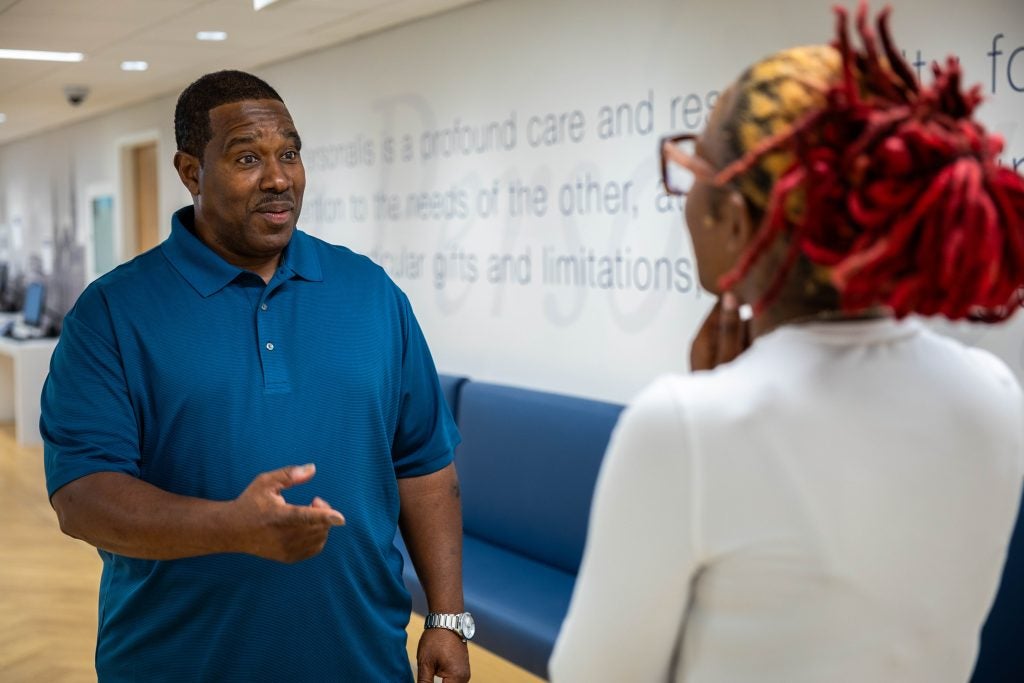
As the deputy director of customer accounts in the Office of Revenue and Receivables, Littlejohn manages the team that helps collect tuition and room and board payments and troubleshoots any issues students have with their bills.
“We guide people. We educate people. We assist people,” he said. “We inform people on what their options are and how to resolve things.”
A few things have changed since Littlejohn arrived: students no longer pay their tuition in cash or check. He’s traded his office in the Ryan Administration Building for the basement of White Gravenor. And while he now manages the team members whose job he once had, he still doesn’t mind doing the everyday work that keeps his office humming.
“I can be out front talking to a student or parents. I can work in the cashier’s office. I can do it all,” he said. “I’ve had students come in at 5 p.m. to resolve something, and I’ll relieve the hourly person so they can go home, but I’ll continue to resolve the situation. I am a working manager, as you might say.”
In 2003, Littlejohn kept working as he went back to school. He could finally call himself a college graduate in 2011 after earning his degree from the School of Continuing Studies’ Bachelor of Arts in Liberal Studies program.
Get to know one of the longest-tenured staff members at Georgetown and the dream car he hopes to one day drive.
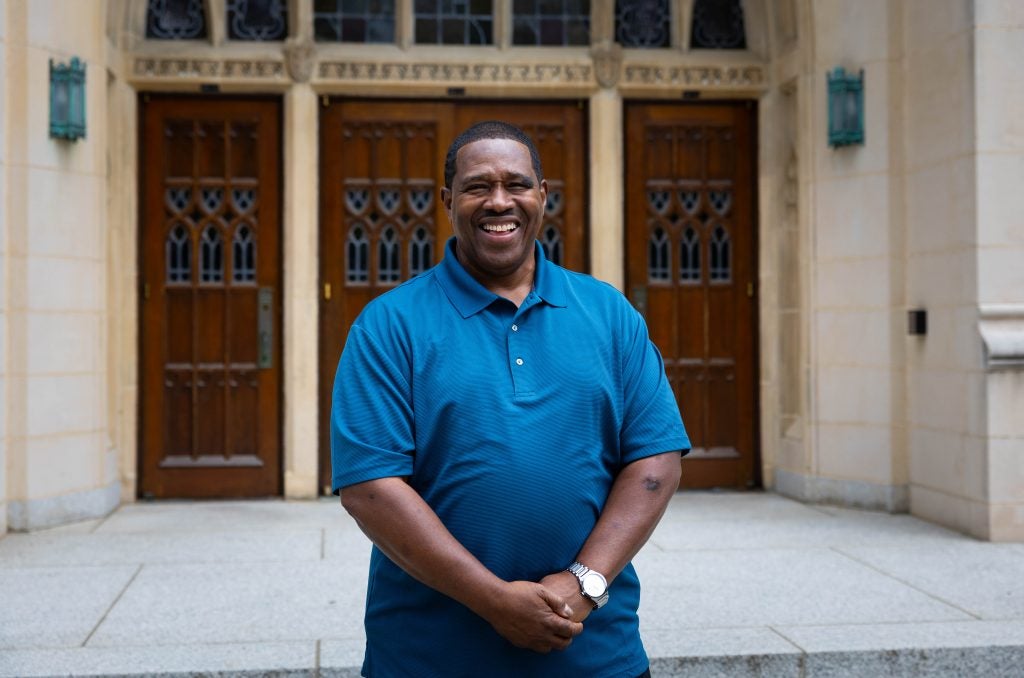
What brought me to Georgetown: I was 19 years old, fresh out of high school, working a couple of part-time jobs. I wanted to work in an office setting, and that led me to Georgetown to apply for a position with Student Accounts. The one thing most people don’t know is that I’ve been here 40-plus years, but I’ve only worked in one department. Even my own kids, who are older themselves and have had several jobs, can’t believe that someone has worked at just one organization in one department.
What I loved about that first job: I was 19 years old and dealing with law students. And to my amazement, which hasn’t changed today, a student is still a student. There are students who are attentive to things and students who are not attentive to things. My job is to guide them, help them out and make them understand certain aspects of their bill.
Why I went back to school: The atmosphere was changing. You see an atmosphere through the 80s in which you can get a job without having a four-year degree. But during the 90s, the landscape was changing. Computers were introduced to the world at a level where I could own a PC and have access to information across the internet. Things were changing, and they wanted college education to do this, and Georgetown was changing as well.
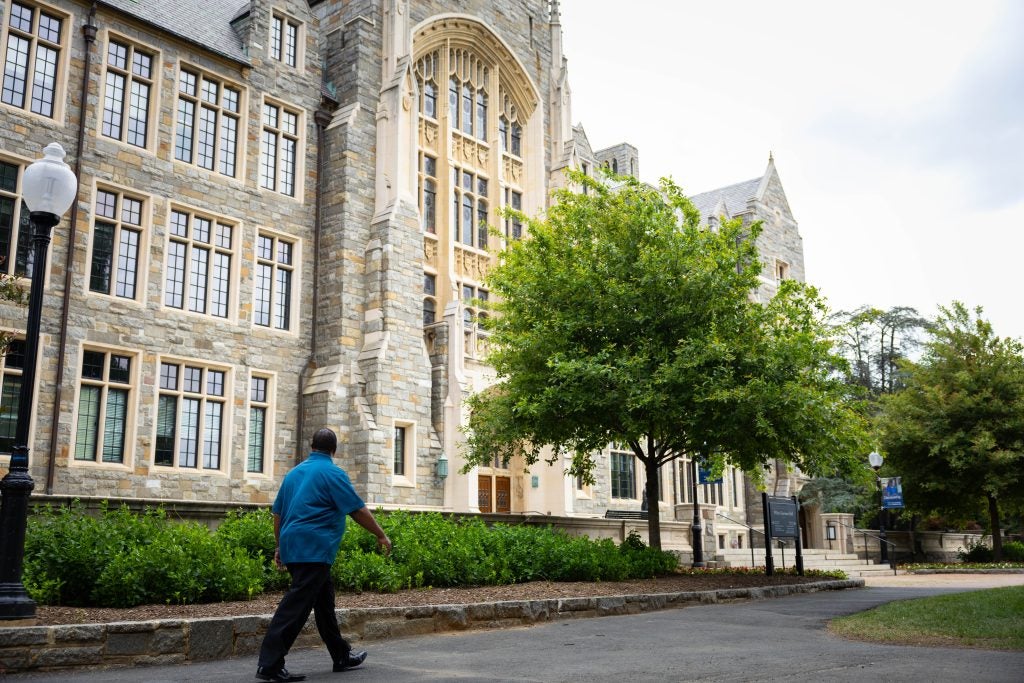
What it meant for me to graduate from Georgetown: It meant a lot. You have a lot of mental goals about what you want to do in life. Registering at Georgetown was something I talked about but never acted on. Once I got in, I realized I should have done this 10 years earlier. I realized I do have the capability to complete my degree. It was not only for me, but for my kids, nieces and nephews. My daughter was in school when I was in school. I couldn’t keep telling her to go to college when I hadn’t gone to college. I wanted to hold true to my word when I told her that she needed to go to college. To graduate from Georgetown and fulfill that obligation for myself was just beautiful.
What brings me joy in my work: I’m a good listener. I can listen to what you say and fill in the gaps. I can translate what you’re saying into what you really want to say. I can take the most irate student and make them the happiest person. It’s about listening and understanding what they’re asking or complaining about. I know how to be straightforward and honest when there aren’t any other options for someone. You can tell people there aren’t any options in a way that’s respectful and not shoving policy down their throat.
Why I’ve stayed at Georgetown for decades: People always ask me why I stay here. Working in an educational institution, it doesn’t necessarily age. Every year, you get new freshmen coming in. Every year, you see seniors going out. You’re always dealing with students in a particular age range. You still have your hands in there and help mold people.