According to the National Energy Assistance Directors Association, heating costs are projected to increase by 9.2% this year, and U.S. households on average are expected to pay $995 for heat. Why are these costs rising, and why has it gotten so expensive to heat our homes?
Yes, electricity costs are indeed rising for some households, and the reasons behind this increase are really complicated. The first culprit is obviously inflation as everything has become more expensive over the last few years. It is also important to remember that electricity is a unique product whose price varies significantly across different states.
Over the last few years, some states have actually seen lower prices when adjusted for inflation, whereas others have seen higher prices. In most cases, like any product, higher prices for electricity can be attributable to higher costs.
For electricity, these are the costs of generating electrons and transporting them through the grid. The former has actually been getting cheaper due to more efficient power plants, but the latter is getting more expensive as grid components, like wires and poles and labor, are becoming more costly. This is the main reason for higher costs for households.
How do these rising costs affect low-income communities?
These rising costs affect low-income communities disproportionately as they need to spend more of their disposable income on electricity. Unfortunately, in most cases, affordability programs of utility firms are insufficient, which has resulted in significantly higher utility disconnections.
Why are power grids strained during severe weather conditions? How do those weather conditions and climate change shape the price of electricity?
First, a little bit of Electricity 101: Electricity is a really unique product for which supply and demand need to be in a tight balance virtually at all times. This is unlike most other physical products. For example, consider bottled water, which can be produced at a factory to be stocked at a supermarket. The factory does not need to instantaneously produce bottled water once a customer walks into the store. In electricity markets, a power plant physically needs to produce an electron whenever a customer flips a switch.
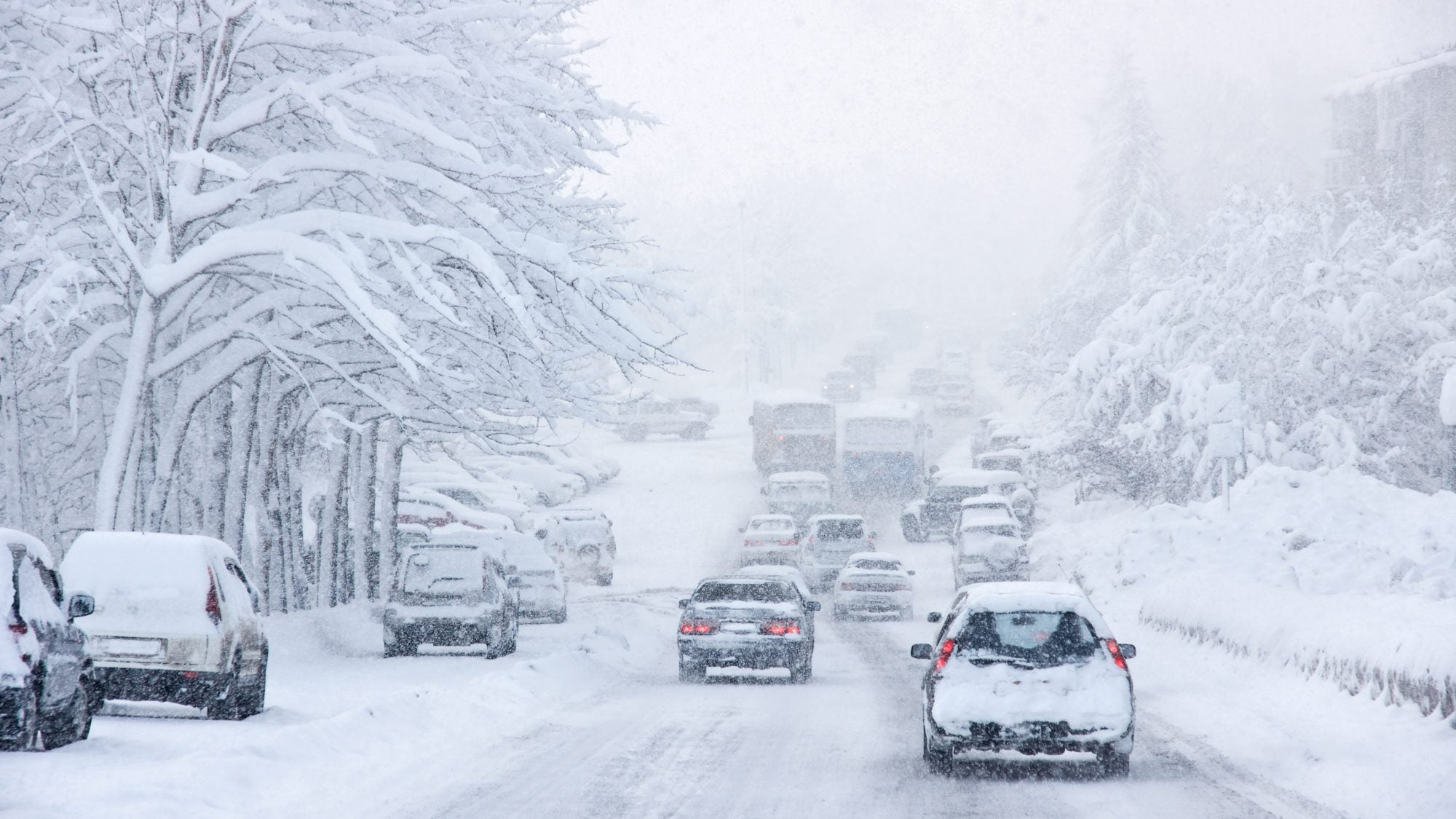
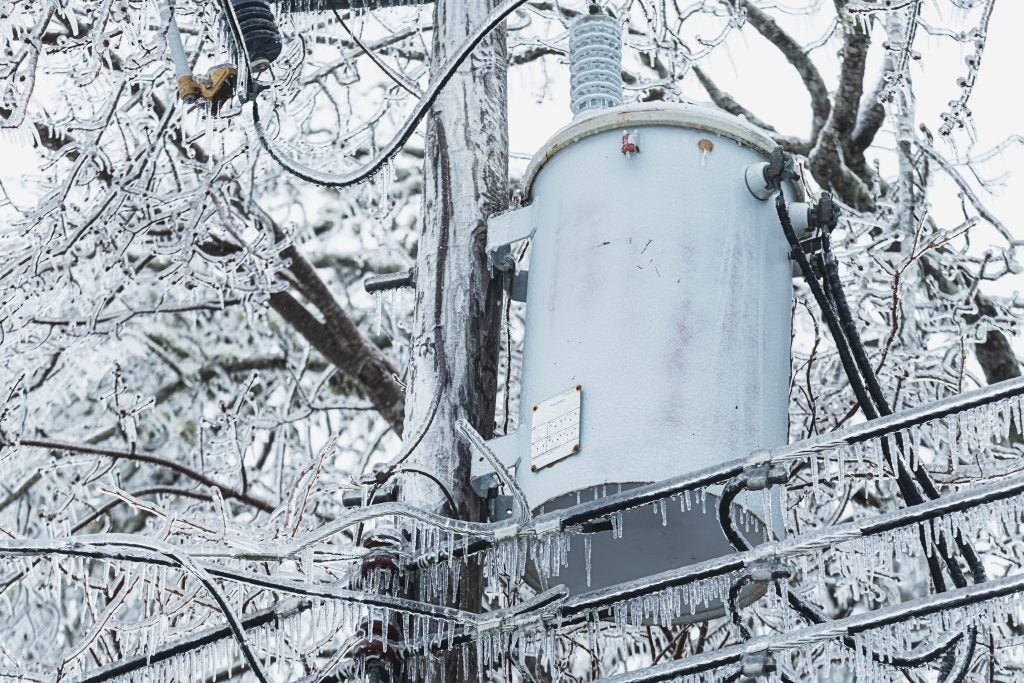
This condition of matching demand with supply creates several issues during severe weather conditions. First, some power plants may not be “weatherized,” meaning that their operations may not continue under extreme cold or heat, adding strain to the generation side. Second, utility wires may be exposed to weather conditions and disrupted, basically cutting the transportation of electrons. Due to climate change, such extreme weather events are becoming more frequent, further increasing the costs of maintaining the grid.
Why are data centers so energy-intensive, and how does their demand differ from that of typical residential or commercial users?
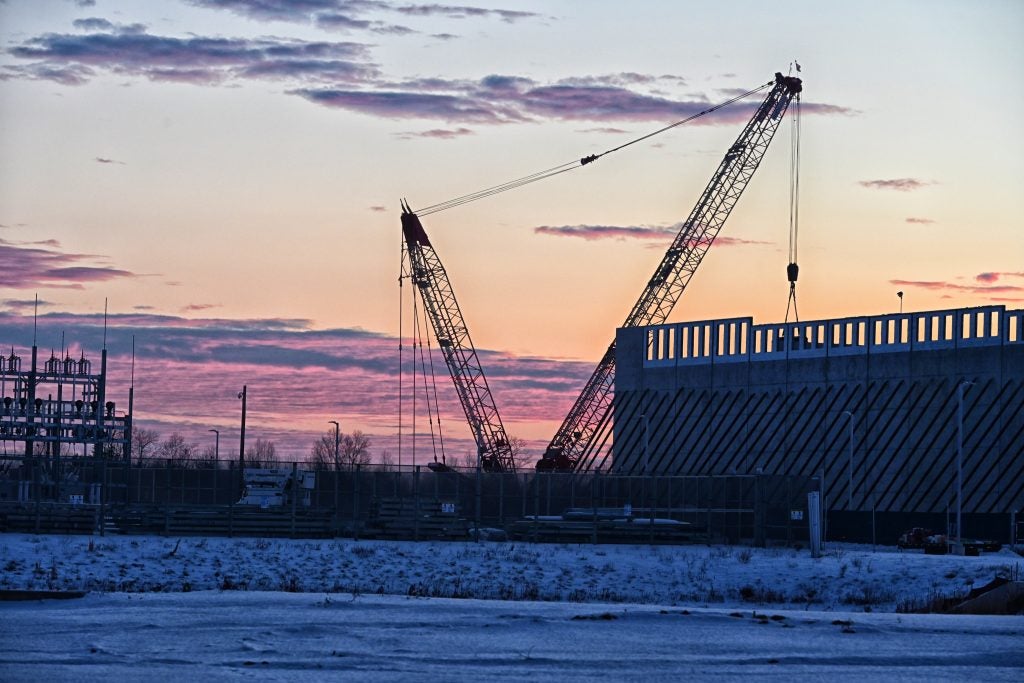
Data centers rely on running a massive set of computer chips to run sophisticated algorithms. This typically requires significant use of energy. Their demand differs from that of residential and commercial users in many ways. The most important difference is that their electricity use can be scheduled. For example, when there is an ample amount of generation from renewables, such as wind, which produces electricity with little to no cost, these data centers can be scheduled to run sophisticated tasks, consuming this almost free electricity. This is unlike residential and commercial users, whose demand is much less flexible.