Juliette Robinson (SFS’28) is a second-year student in the School of Foreign Service. She plans to major in international politics and pursue a certificate in international business diplomacy. She conducts research as a Mortara Undergraduate Research Fellow and consults at Georgetown Global Consulting. For fun, she captains the Georgetown Women’s Rugby team and enjoys exploring D.C. (especially the different food options) with friends.
When people think of research, they often imagine lab coats, microscopes and equations. But, as a student in the Walsh School of Foreign Service (SFS), I’ve learned that research in the humanities and social sciences is central to understanding the global challenges we study. Research in these fields isn’t about finding a single “right” answer; it’s about learning how to ask questions. It teaches students how to analyze arguments, synthesize information from diverse sources and think critically about how ideas shape policy and society. Georgetown offers a wide range of opportunities for students like us to pursue this kind of inquiry, from long-term fellowships to summer research grants and faculty collaborations.
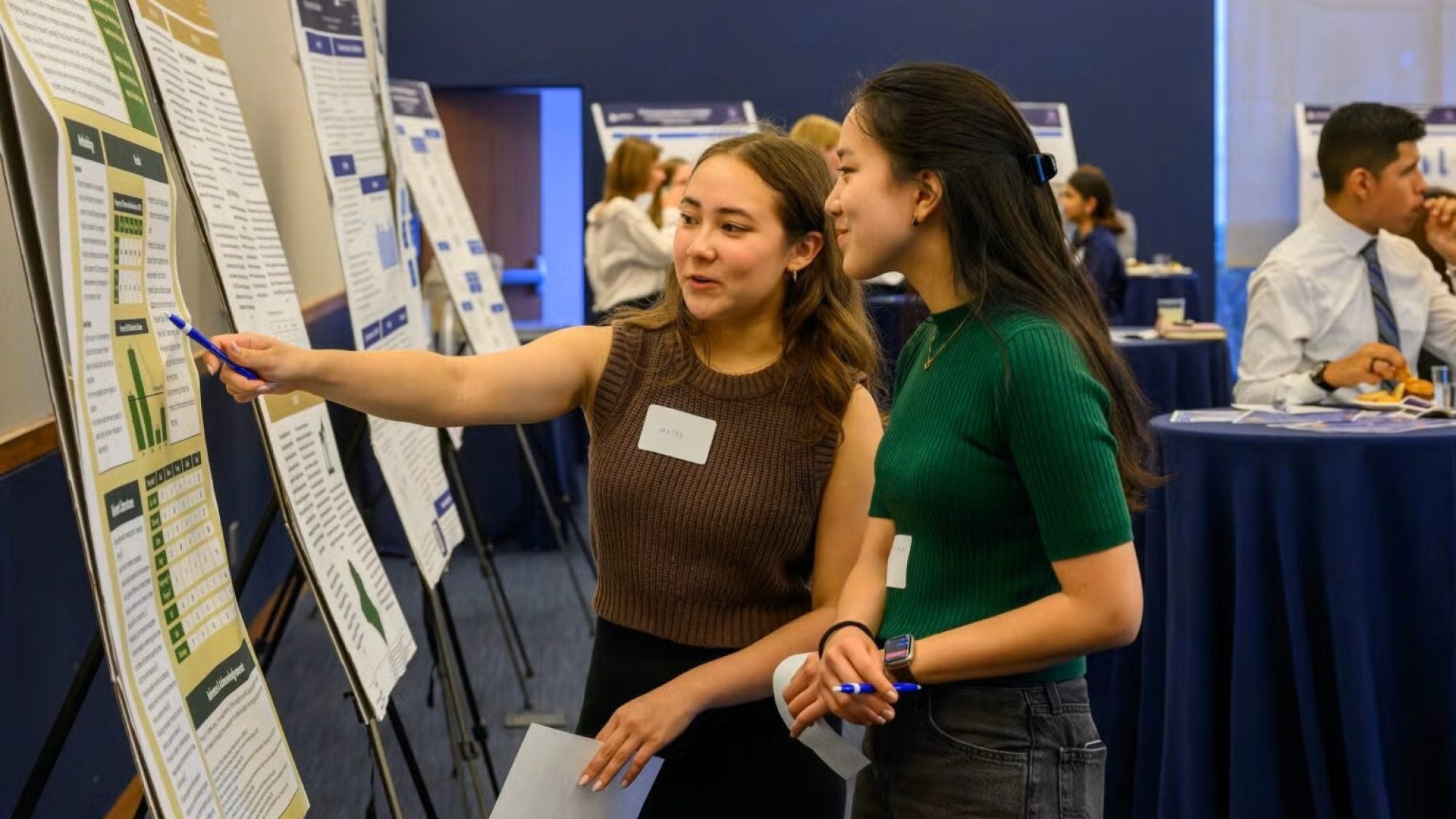
As a Mortara Undergraduate Research Fellow, I’ve had the opportunity to work closely with Professor Marc Busch on projects in international trade law. Our research ranges from how dispute settlement mechanisms shape cooperation in global trade and how different provisions in preferential trade agreements (PTAs) reflect states’ priorities. Through this experience, I’ve learned not only how to gather and interpret data but also how to contribute meaningfully to ongoing scholarly debates.
Research at Georgetown takes many forms. Some students design independent projects, others assist professors on long-term studies, and many pursue both at different points in their academic journey. Below are just a few of the many ways students can get involved.
Mortara Undergraduate Research Fellowship
For SFS students, the Mortara Undergraduate Research Fellowship (MURF) is one of the most exciting gateways into research. Open to first-years, the fellowship pairs students with a professor for five semesters of research assistance.
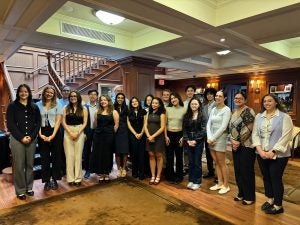
During their first and second years, fellows aid their research mentor. During their third and fourth years, fellows conduct their own independent research with the help of their mentor. Fellows work on real academic projects, ranging from analyzing law, investigating peace negotiations or exploring global inequality, while meeting regularly as a cohort to discuss research methods and professional development. Beyond the skills it builds, the Mortara Center immerses students in the process of generating knowledge and equips them to craft their own independent research projects or honors theses.
CRF Summer Research Fellows
The first thing this blog has to talk about is the Centre for Research and Fellowships (CRF). The CRF Summer Research Fellowship runs a highly supportive program for summer research. They fund independent research projects guided by faculty mentors for students across all disciplines.
For humanities students, this might mean traveling to archives abroad, conducting interviews for a comparative politics project, or analyzing policy documents related to development or diplomacy. The CRF also offers workshops on proposal writing and ethics, preparing students to carry out meaningful, rigorous research. This fellowship empowers students to take ownership of their ideas and translate classroom learning into real-world inquiry.
Georgetown University Undergraduate Research Opportunities Program
For students who want a structured yet flexible way to engage in research during the academic year, Georgetown University Undergraduate Research Opportunities Program (GUROP) is an excellent option. Also administered by the CRF, GUROP enables students to assist professors with their ongoing research and earn a transcript notation for approximately sixty hours of work per semester. Many students participate in GUROP over multiple semesters. It’s an accessible first step into the research world — one that opens the door to deeper projects and fellowship applications later on.
Laidlaw Undergraduate Leadership and Research Scholarship Programme
Another exciting opportunity is the Laidlaw Undergraduate Leadership and Research Scholarship Programme, a two-year experience that combines research with leadership development. Students spend their first summer conducting research under a Georgetown faculty mentor, and their second engaging in global leadership projects abroad. The Laidlaw framework invites students to explore complex social issues through research while reflecting on ethical leadership in an interconnected world. Whether your project examines cultural diplomacy, migration narratives or conflict mediation, Laidlaw provides both the resources and mentorship to turn your curiosity into impact.
 Research Assistantship
Beyond formal programs, many Georgetown professors hire students as research assistants through the Georgetown Management System (GMS). These positions are both funded or volunteer-based and provide hands-on experience in different fields. Working closely with a faculty member gives students a unique vantage point into academia. You might help organize interviews, digitize archival material or analyze primary sources for a forthcoming book. These collaborations often lead to strong mentorship relationships and opportunities to co-author papers or present findings at conferences.
Honors Thesis
Many Georgetown students culminate their academic journeys by writing an honors thesis, a capstone project that showcases independent inquiry within their major. The thesis process often spans all of senior year, guided by a faculty advisor and often supported by research grants or departmental awards. Students not only produce a substantial piece of original scholarship but also present and defend their findings before a faculty panel, demonstrating the depth of their argument and command of the research process. Ultimately, completing a thesis allows students to contribute original insights to their fields.
Choosing the Right Research Opportunity
With so many options, how do you choose the right one? Start by thinking about your goals. If you’re new to research and want to learn by doing, programs like GUROP are a great entry point. If you already have a question you want to explore deeply, the CRF Summer Fellowship or an honors thesis may be a better fit. Students seeking long-term mentorship and structured support might thrive in programs like Mortara or Laidlaw.
It’s also important to consider your working style. Do you prefer independent projects or collaboration within a team? Are you drawn to theoretical debates or empirical analysis?
Research at Georgetown isn’t a one-size-fits-all path; it’s a continuum of opportunities that suits different interests. The best project is the one that challenges you to think differently, deepens your curiosity, and connects your studies to the broader world.