Earplugs were a must-have sleeping accessory for Alexandra Homann (C’28) in her summer internship. But it wasn’t a noisy roommate or city sirens that kept her up at night.
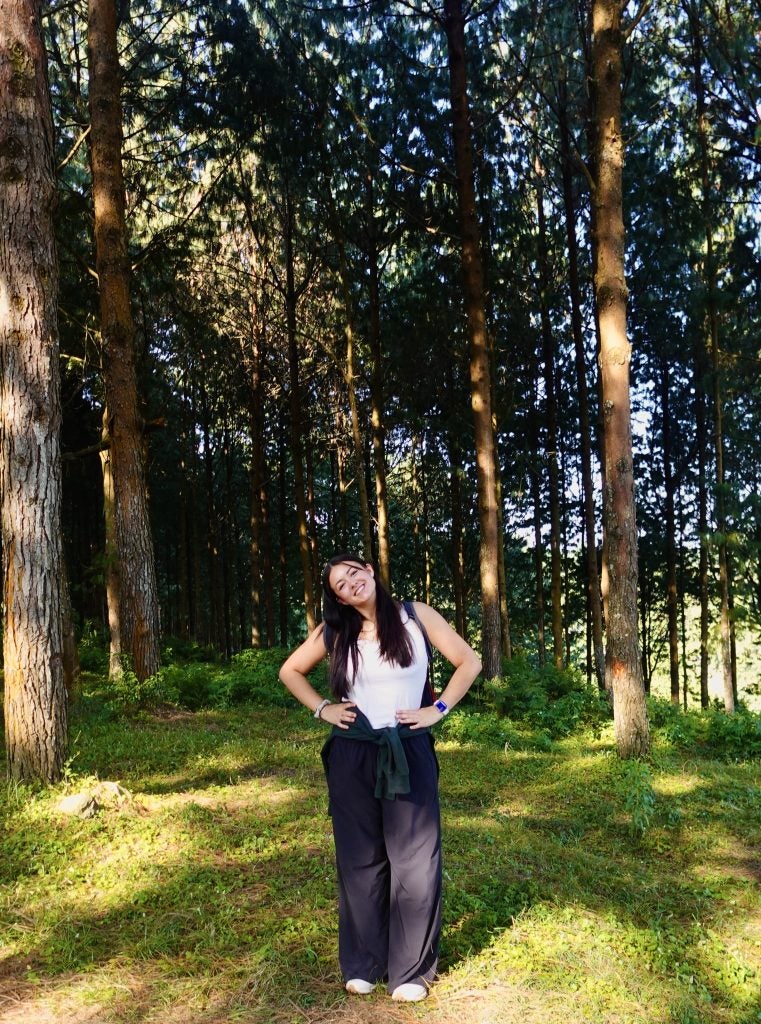
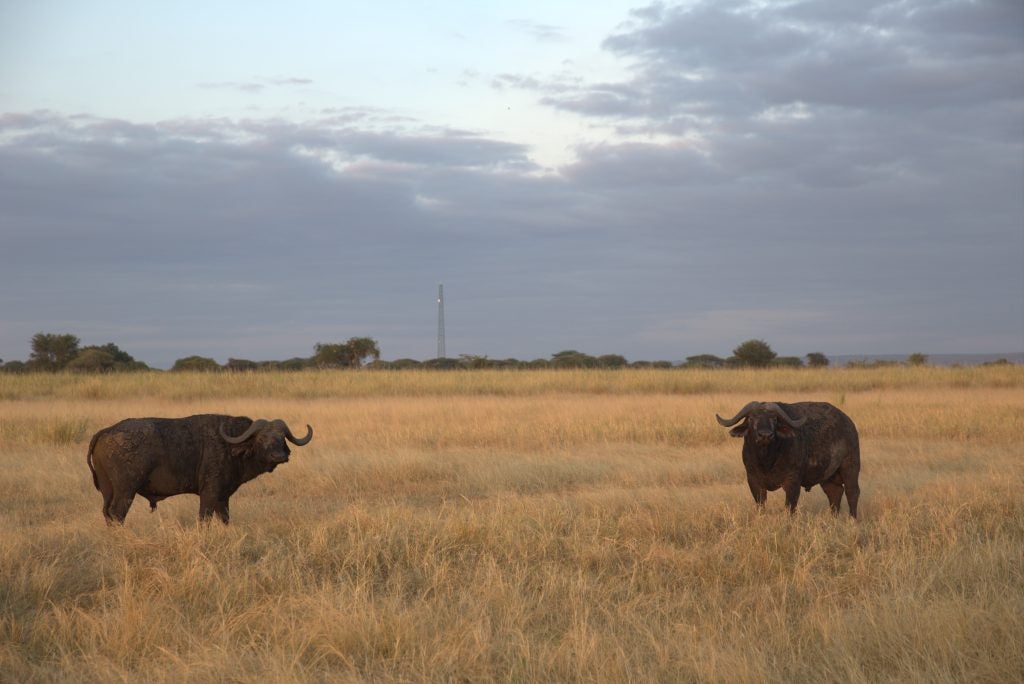
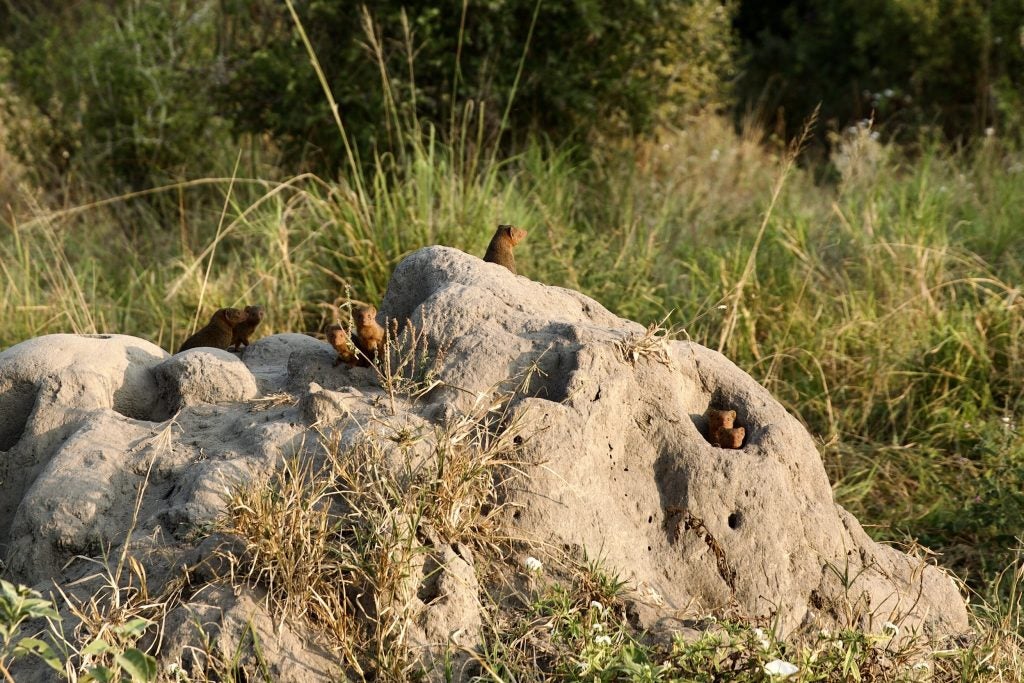
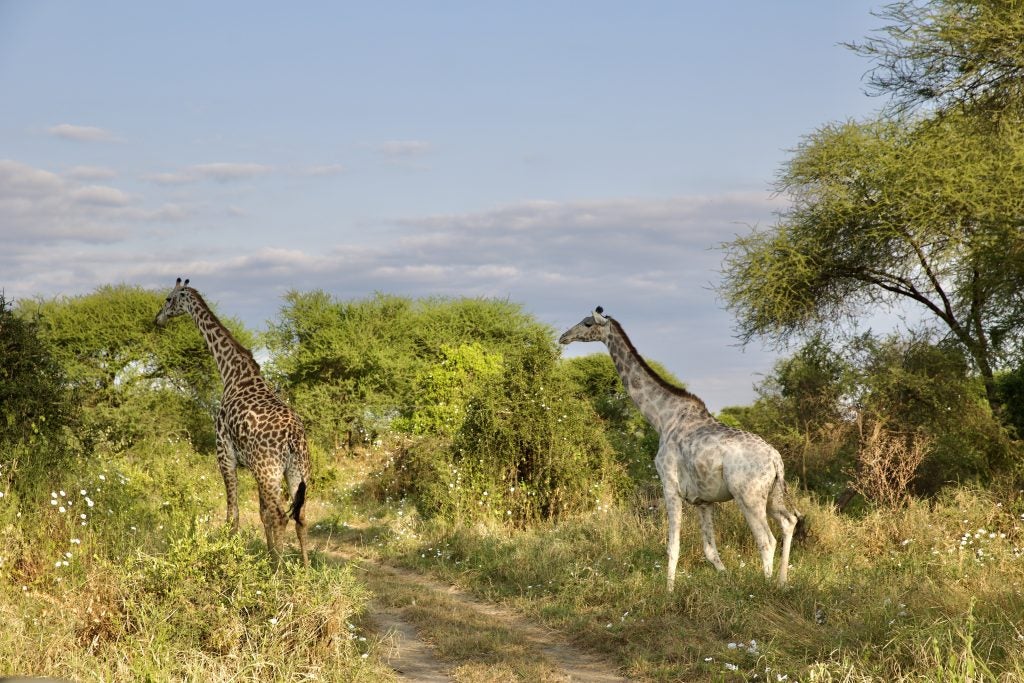
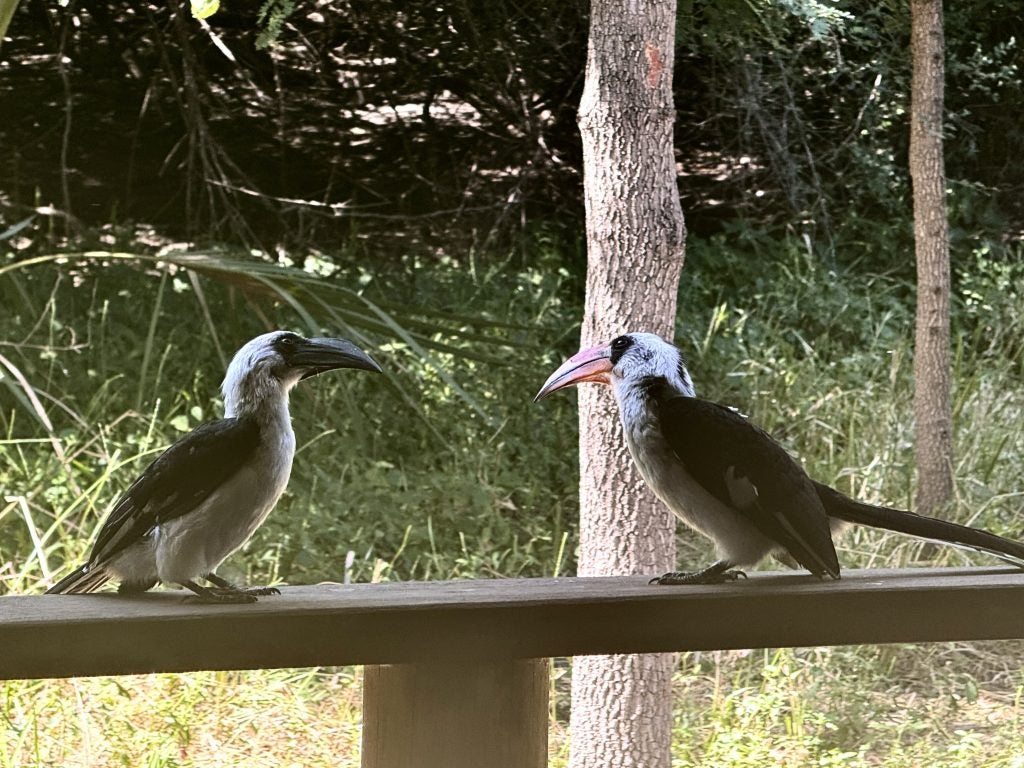
Instead, baboons created a ruckus on her roof, while high-pitched frogs croaked all night. Outside of her window, she could count on seeing zebras, giraffes, antelope and even some wildebeests exploring the premises.
“I wasn’t allowed to leave the room at night because lions would roam in the camp,” she said.
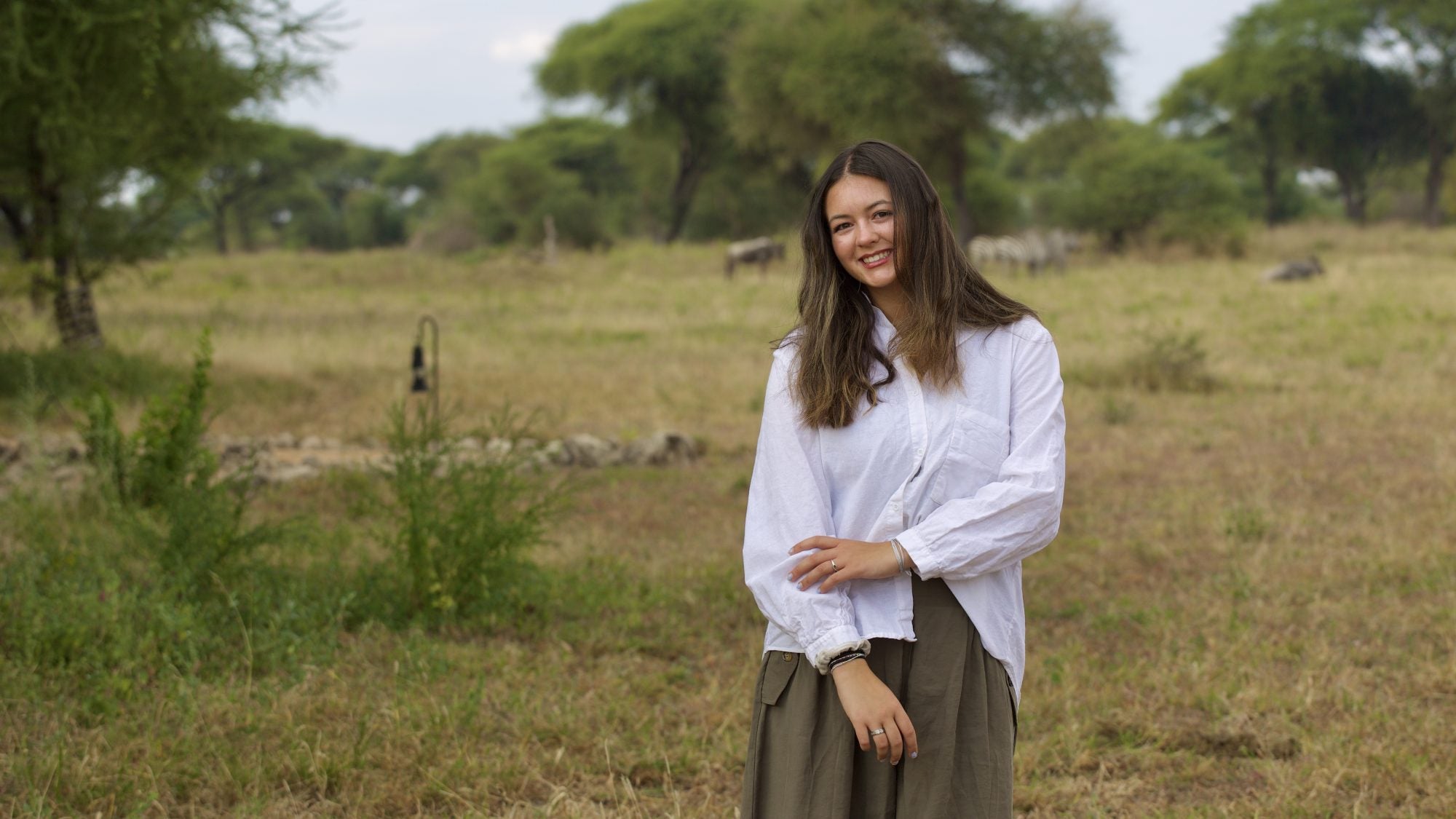
For much of this summer, Homann lived and worked at a wildlife safari lodge in Tanzania. She interned with Chem Chem Association, a nonprofit organization that protects wildlife in the East African country and uplifts rural communities in the region to discourage poaching and provide alternative pathways to economic prosperity.
Over the course of a month, Homann learned the ins and outs of conservation and the importance of community building in wildlife protection efforts.
“I went for the animals and left thinking more about the work they’re doing for the community and how much of a relationship and trust they’ve built [with the community],” she said.
A Lifelong Love for Animals
Homann has loved animals since she was young, but it wasn’t just because of the dogs and cats in her neighborhood in South Carolina.
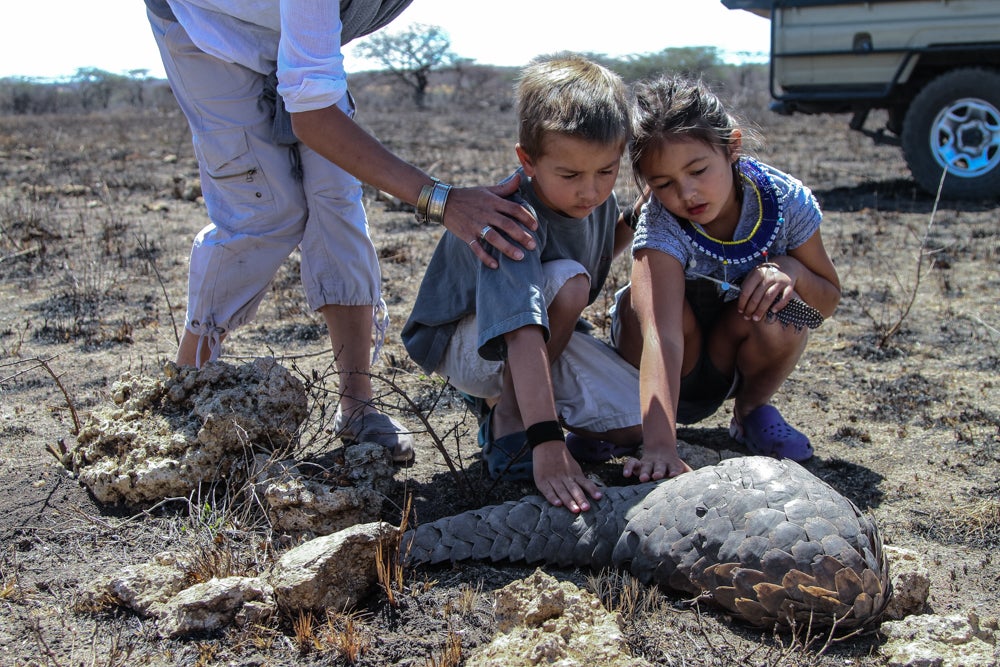
Her parents operate a small African safari travel agency, and Homann grew up going on several safari expeditions with her family in Sub-Saharan Africa, including Zimbabwe, Kenya, Rwanda, South Africa and Tanzania.
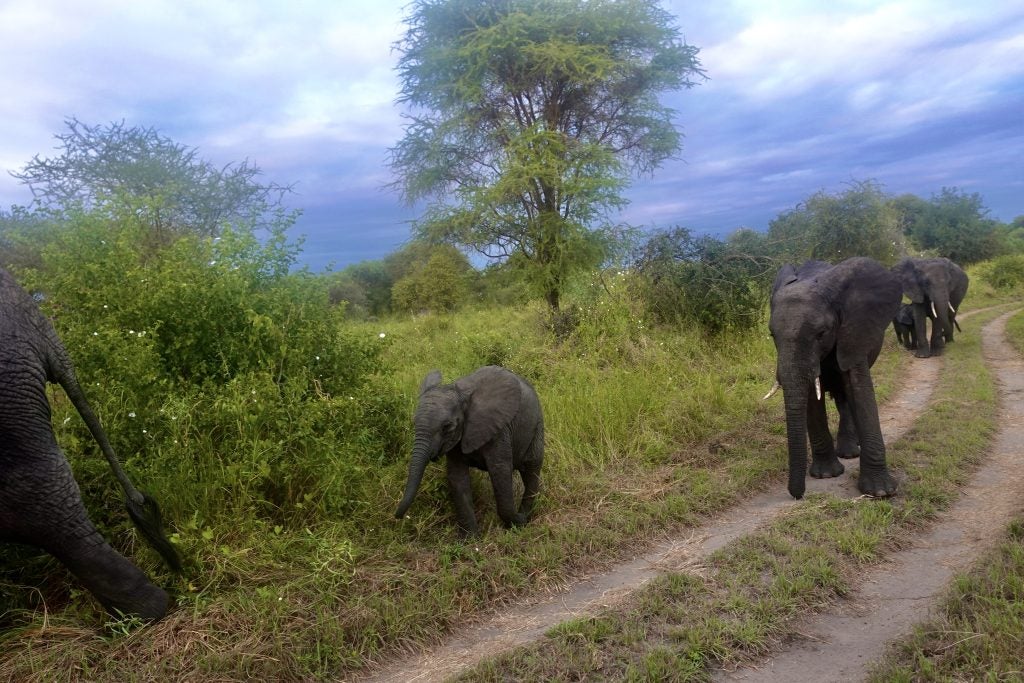
“There’s something about being in nature and seeing a huge elephant. It’s this feeling you get. It’s this magical interaction,” she said.
In high school, Homann spent a summer working at safari lodges in Tanzania doing housekeeping, washing dishes and waiting tables. While her experience taught her more about the tourism behind the safari industry, she wanted to explore conservation.
“Conservation was definitely instilled from the moment I was born because their entire business revolves around having sustainable safaris,” Homann said. “Tourism in Africa goes hand in hand with animal conservation. You can’t have tourism without conservation, but tourism helps fund the conservation.”
Connecting Community and Animal Conservation
Every day in Tanzania looked different for Homann this summer.
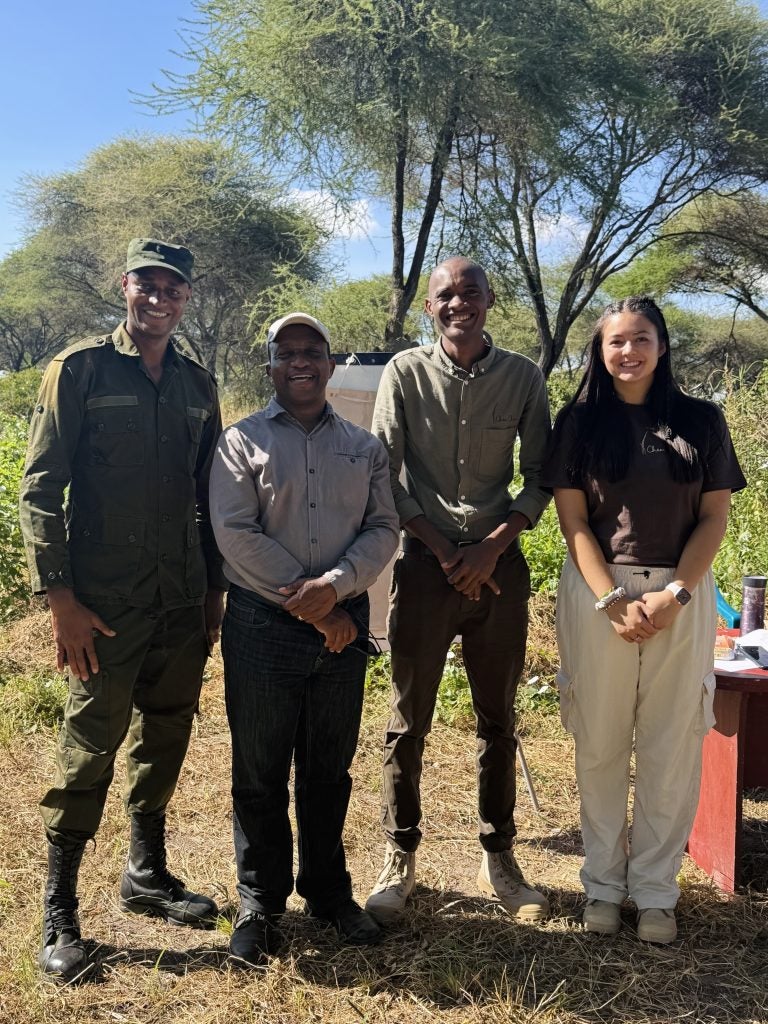
Inside the lodge, she only had to walk a few minutes to reach her office, with plenty of time to admire a zebra or giraffe along the way.
But many of Homann’s days were spent outside the lodge.
Homann lived and worked inside an expansive rural wildlife management area (WMA) in northern Tanzania. In the WMA are 10 villages with tens of thousands of inhabitants who share the profits from the safari tourism industry.
Chem Chem Association develops relationships with these communities and creates economic empowerment programs to reduce the incentives communities have to poach the wildlife.
“If [locals] hear about poaching, they’re more willing to report it because they have a bond with the conservation organization and have a sense of loyalty,” she said. “If their brother or friend is part of this conservation, they’re much more willing to go to them.”
The nonprofit creates initiatives like microfinance programs and wheelchair distributions to build trust with local communities. The organization also connects local vendors to regional markets and offers marketing workshops.