Luke Hughes (SFS’27) is a Georgetown Storyteller and senior in the School of Foreign Service studying science, technology and international affairs. He is from Lake Forest, Illinois.
In early February, I met with Science, Technology, and International Affairs Director Emily Mendenhall to begin outlining my undergraduate thesis. I expressed an interest in studying sustainable fisheries, and Professor Mendenhall looked at me through my computer screen and said, “We’re going to get you on a fishing boat.” I didn’t believe her. That would be beyond my wildest expectations. Thanks to the help of many people, however, that dream became a reality.
As someone who not too long ago considered themselves “not a research person”, this reality became especially meaningful. Students in the SFS engage with accredited faculty on projects about everything from climate change finance to threats faced by democratic institutions. For my first three years at Georgetown, I considered these experiences too daunting. Then came the time for me to decide between writing a thesis or enrolling in a senior year seminar for my major. Despite my hesitations, I chose the former. STIA faculty and students emphasized that a thesis is an incredible opportunity to explore a unique topic that captures my attention, learn from the world’s leading experts in the subject area and even have the chance to travel for fieldwork!
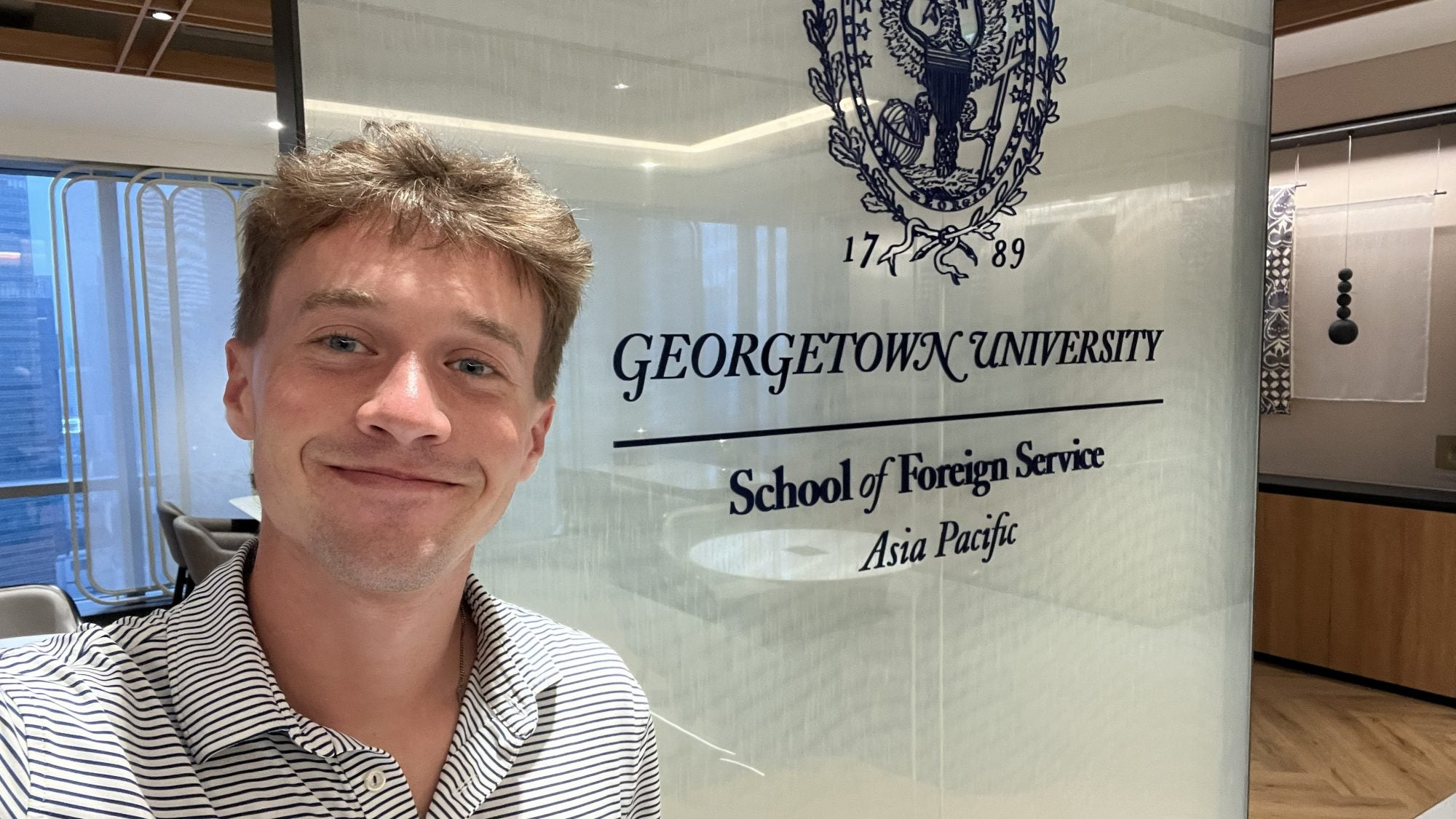
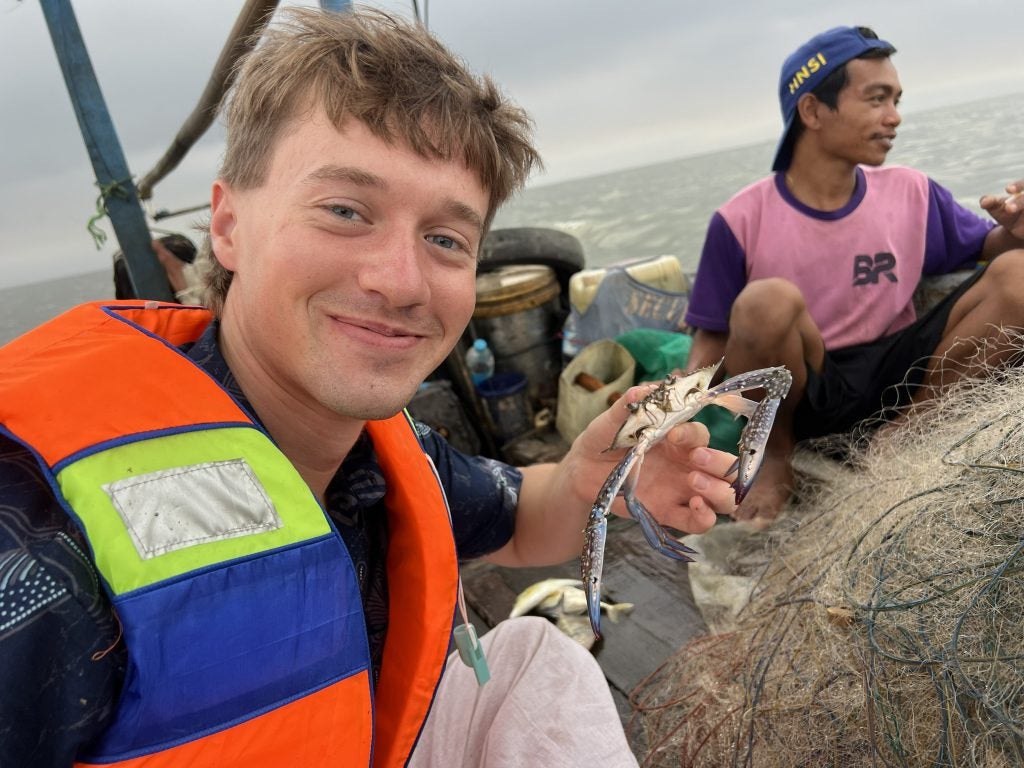
I just spent two weeks at Georgetown SFS Asia Pacific (GSAP) in Jakarta, Indonesia. My time in the world’s largest city was defined by several incredible opportunities, from catching blue swimming crab, rajungan, at 5:00 am in the Java Sea to interviewing environmental experts at the U.S. embassy. Here are some highlights from my experience.
Boots on the Ground
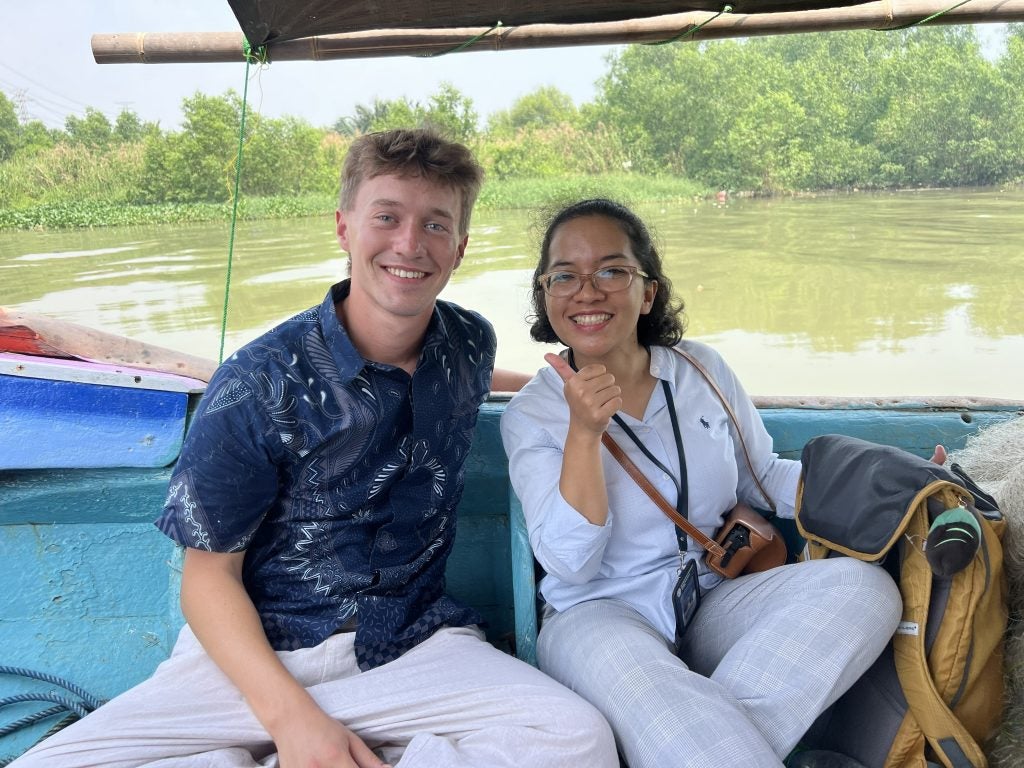
The purpose of this fieldwork was to collect data for my driving question: “What tension exists between top-down state management and local community practices in Indonesia’s blue swimming crab industry?”. My thesis advisor, Professor Elle Wibisono, already familiar with Muara Angke, a fishing community in northern Jakarta, accompanied me on my fieldwork, prepped me for interviews and even served as a translator. Elle sat with me while I asked rajungan fishermen about everything from what equipment they receive from the national government to if they’ve noticed a change in the actual sizes of their catch.
At a time when the world’s second largest fish producer has struggled to balance economic growth and sustainable development in an industry so important to the country, it was very insightful to hear first-hand from Indonesians at the start of the supply chain.
After returning from mornings in Muara Angke, I transcribed interview notes and conducted further literature review. Embun Maharani and Destian Pandu Dwicahyo Santoso Putro, GSAP staff who are also the two other members of Professor Elle’s Blue Lab, guided me through the process as well. The attention and care I received from these three incredible people speak to the mission of the program. Georgetown chose to expand their Asia-Pacific presence in Jakarta for a reason. As Jakarta has utilized modern innovation to address a myriad of social phenomena, from urban pollution to flood management, many of the staff understand these issues first-hand. And I get the incredible opportunity of learning from them.
Culturally Enriching Excursions
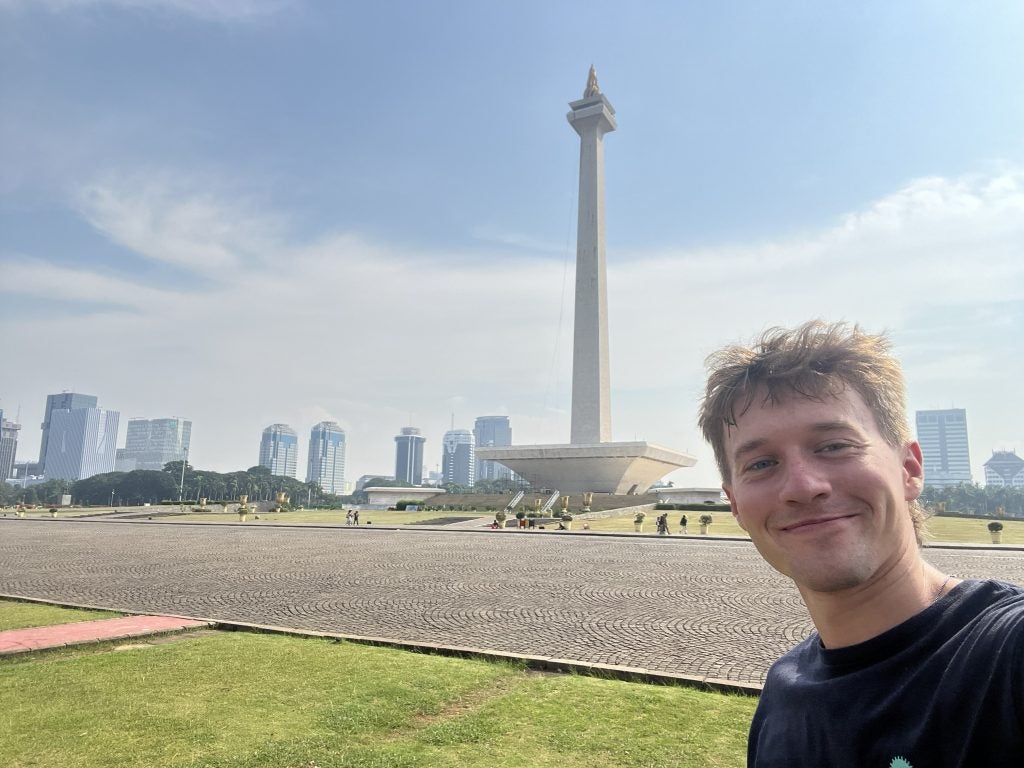
During my personal time in Jakarta, I enjoyed exploring the city and its sights. I visited the largest mosque in Southeast Asia and ventured outside of the country’s capital to Bogor, where I visited the world-renowned Botanical Gardens. One of the highlights of my trip was visiting Jakarta International School, where Jenny Zenick, 7th grade teacher and sister of SFS Chief of Staff Emily Zenick, gave me a tour of campus. Professor Elle ensured that I had time to try sate padang, check out the nightlife in Blok M and go for a morning run in Central Jakarta during car-free hours.
An Only at Georgetown Experience
I chose Georgetown because of opportunities like this. The school’s faculty and staff want Hoyas to get out in the world, to go to the margins and utilize their classroom knowledge to be a force for good in society. This thesis examines how top-down national management and local community practices can make the rajungan industry more sustainable. This is just one story. My fellow STIA classmates are researching methods to improve rural public health in India, public technology that promotes peace in war-torn countries and other topics that touch on humanity’s most pressing issues.
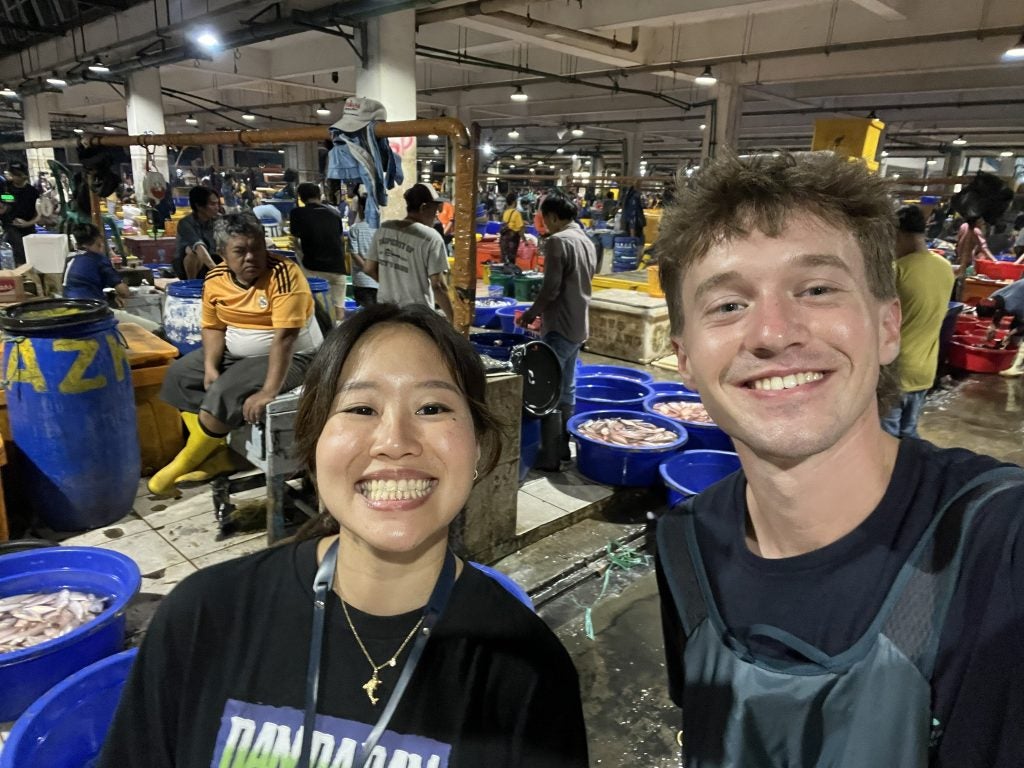
Professor Elle and the entire GSAP team made my time in Jakarta such a meaningful experience. I’m so grateful for their efforts to make these three weeks so enriching. I’d like to thank the SFS Dean’s Office as well for providing funding for the fieldwork.
It makes sense to me that this year-long thesis process is already turning into an exciting passion project. Georgetown encourages its students to do what they love and love what they do, inside and outside the classroom, and I am so glad that I have found this much joy in my academic life. As I enter into my last year as an undergraduate on the Hilltop, opportunities like this remind me how grateful I am for what my school has to offer. Thank you so much to everyone — Professor Elle, the GSAP team and the SFS Undergraduate’s Dean Office — for making this possible! Hoya Saxa!